Samsung’s Galaxy S26 series is already shaping up to be one of the most exciting smartphone launches in 2026. While we’ve come to expect top-tier performance and stunning camera improvements from Samsung’s flagship lineup, one particular feature is causing quite a stir — satellite calling capability.
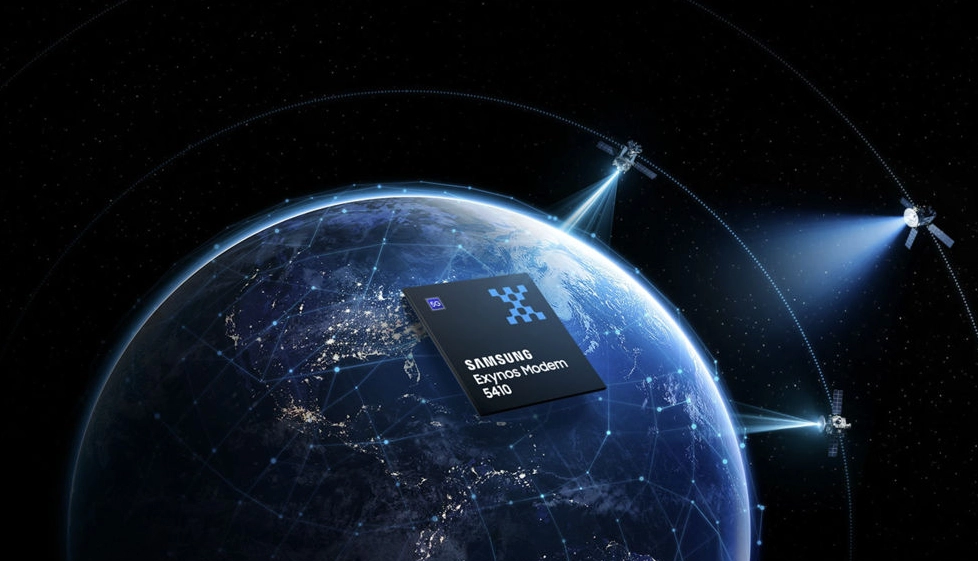
Yes, you read that right. Thanks to an innovative new Samsung modem, the Galaxy S26 series is expected to let users make and receive calls even without a traditional cellular network.
This means saying goodbye to the dreaded “No Signal” icon when you’re hiking in the mountains, sailing offshore, or traveling through remote areas.
The feature marks a major step toward next-generation mobile connectivity — one that could redefine how we think about safety, accessibility, and communication.
A Leap Forward in Mobile Communication
The addition of satellite calling marks Samsung’s push into a space previously dominated by emergency-only systems. Until now, most smartphone satellite features (like Apple’s Emergency SOS via satellite) have been limited to text-based SOS messages in special circumstances.
The Galaxy S26, however, aims to go beyond emergency use by offering two-way satellite calling and messaging, potentially allowing users to talk or text anywhere on Earth.
At the heart of this innovation lies Samsung’s newly developed Exynos 5410 modem—a cutting-edge multi-mode chipset that bridges terrestrial 5G networks and non-terrestrial networks (NTNs), which include satellites.
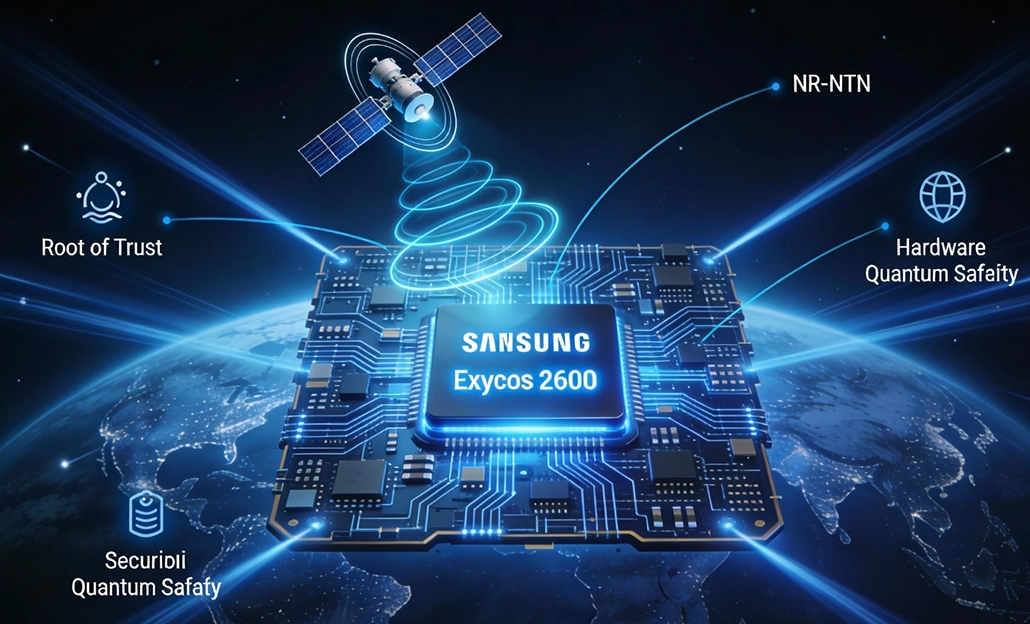
By integrating NTN technology, Samsung ensures that users can seamlessly switch between regular cellular connections and satellite links when needed, without extra accessories or separate subscriptions.
This is an exciting step toward a world where smartphones have true global coverage, not limited by the reach of cell towers.
How the Technology Works
To make satellite calling possible, Samsung’s modem uses 3GPP Release 17 standards, which define how 5G can connect with satellites.
Unlike older satellite communication systems that relied on bulky antennas, the Galaxy S26 will likely use its built-in antenna and software optimization to maintain compact design while maximizing efficiency.
Here’s a simplified breakdown of how it works:
- Signal Detection: When the phone loses terrestrial signal, it automatically searches for a compatible satellite connection.
- Connection Establishment: The Samsung modem identifies and communicates with the nearest low-earth-orbit (LEO) satellites.
- Voice and Data Transmission: The system compresses voice and data information for efficient transmission to and from the satellite.
- Seamless Handover: Once the user moves back into network coverage, the phone transitions smoothly back to cellular connectivity.
This behind-the-scenes process will happen in seconds, allowing users to stay connected wherever they go — without noticing any complex technical switches.
Why This Matters for Users
While having the latest Snapdragon processor or a sharper camera lens is impressive, staying connected in critical moments can mean everything. The inclusion of satellite calling could benefit:
- Adventurers and travelers, who often explore areas beyond network coverage.
- Emergency responders, who need reliable communication tools during disasters or in rural zones.
- Everyday users, who want the added assurance that they can reach help no matter where they are.
In practical terms, imagine being able to call for roadside assistance in the desert, send your GPS location while hiking deep in national parks, or connect with family while camping — all without depending on a local mobile tower.
Samsung’s move demonstrates a clear vision for real-world usability, not just tech showmanship.
Competition and Industry Impact
Samsung’s entry into satellite communication will also put pressure on competitors like Apple, Google, and Huawei to expand their offerings. Apple set the early standard with SOS via satellite, but full two-way voice calling would mark a substantial evolution in feature capability.
Moreover, this could drive telecom carriers and satellite companies to collaborate more closely, improving overall affordability and coverage. Expect partnerships with providers like Iridium or Globalstar, helping Samsung to deliver reliable global connectivity right out of the box.
What to Expect from the Galaxy S26 Lineup
Beyond the satellite capabilities, leaks suggest that the Galaxy S26 series will continue Samsung’s tradition of excellence with improvements such as:
- Snapdragon 8 Gen 4 or Exynos 2500 chipsets, offering better AI integration.
- Enhanced camera sensors with adaptive light technology.
- Refined design with slimmer bezels and longer battery life.
But the satellite feature will undoubtedly be the standout innovation — a headline addition that sets the Galaxy S26 apart not only from its predecessors but also from competitors.
Final Thoughts
With the Galaxy S26 series, Samsung isn’t just launching another smartphone — it’s pioneering a new era of connected communication. The introduction of satellite calling through the company’s advanced modem signals a shift toward reliability, independence, and universal access.
Whether you’re deep in the wilderness or crossing remote seas, the promise of being able to reach someone when it matters most is no longer science fiction — it’s a reality powered by Samsung’s cutting-edge technology. As we look toward the official launch, one thing’s certain: the Galaxy S26 is not just smart — it’s truly connected, anywhere and everywhere.